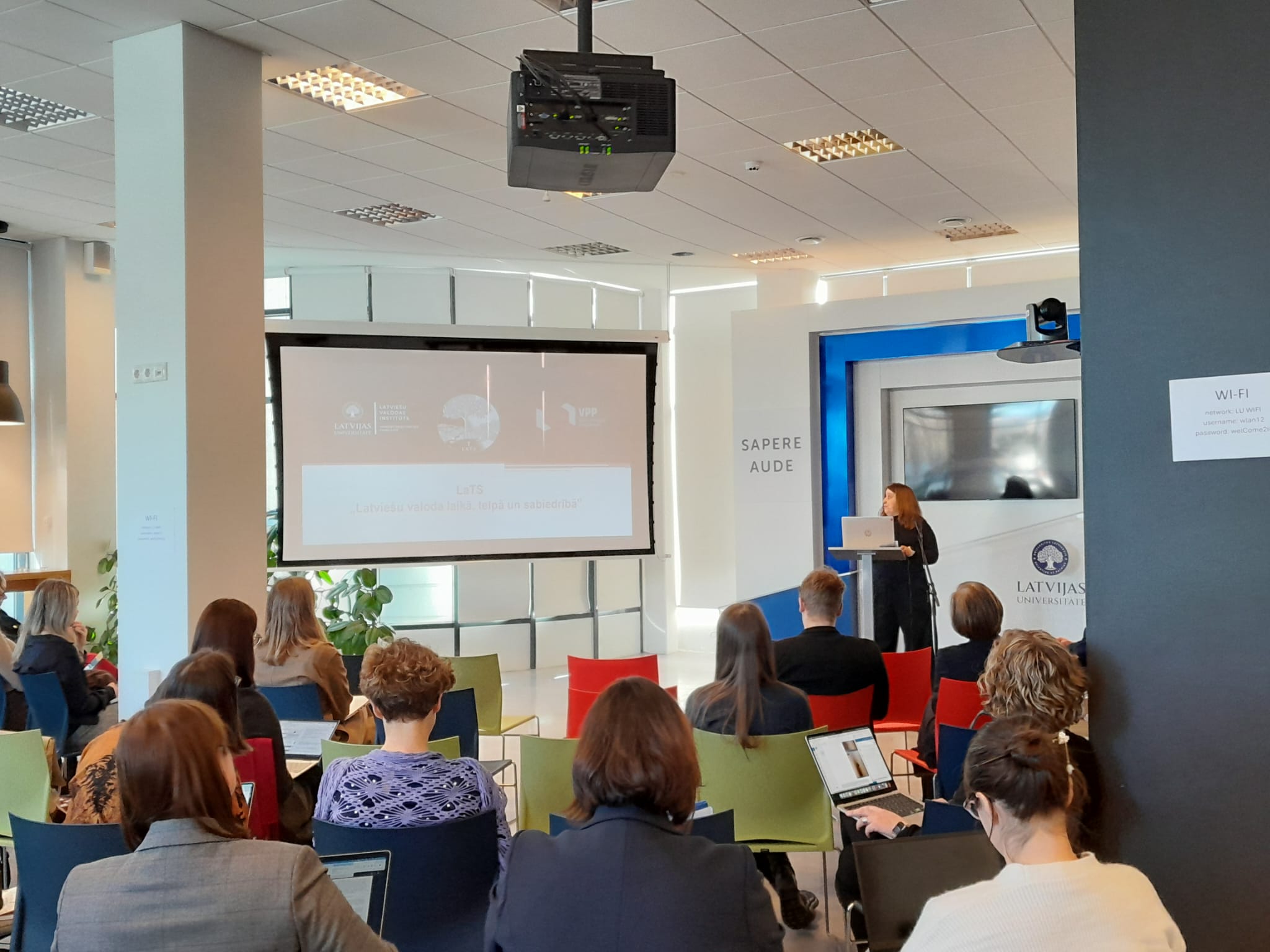
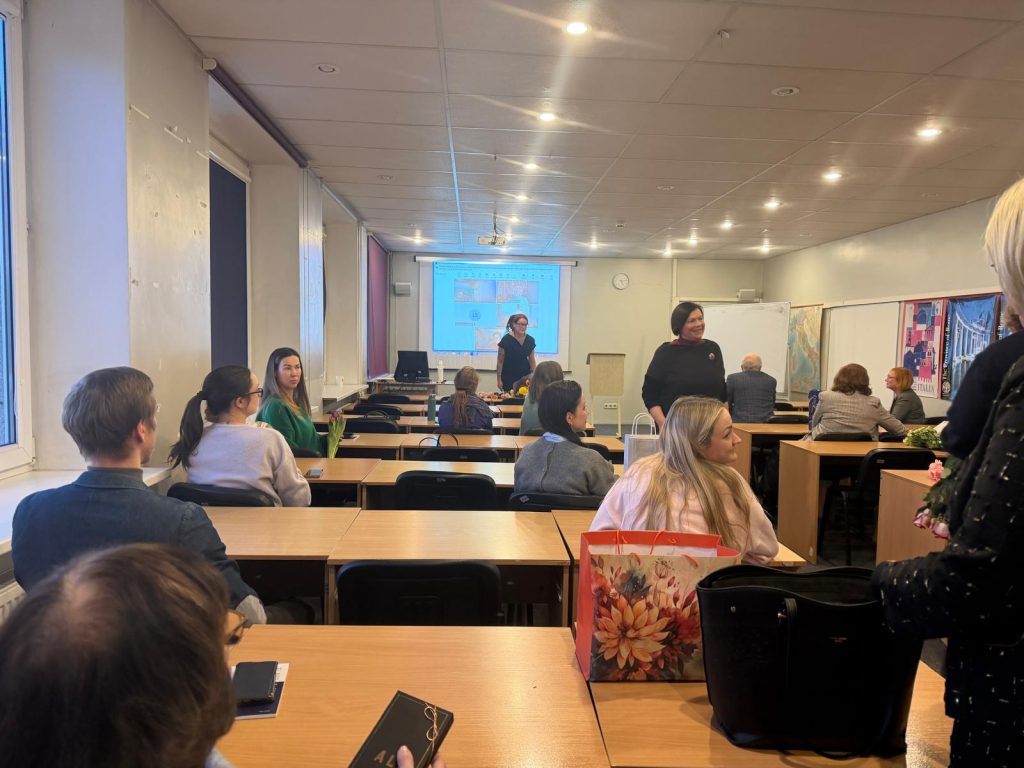
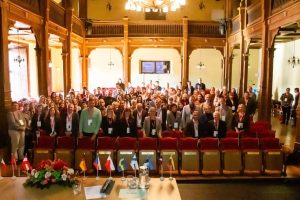
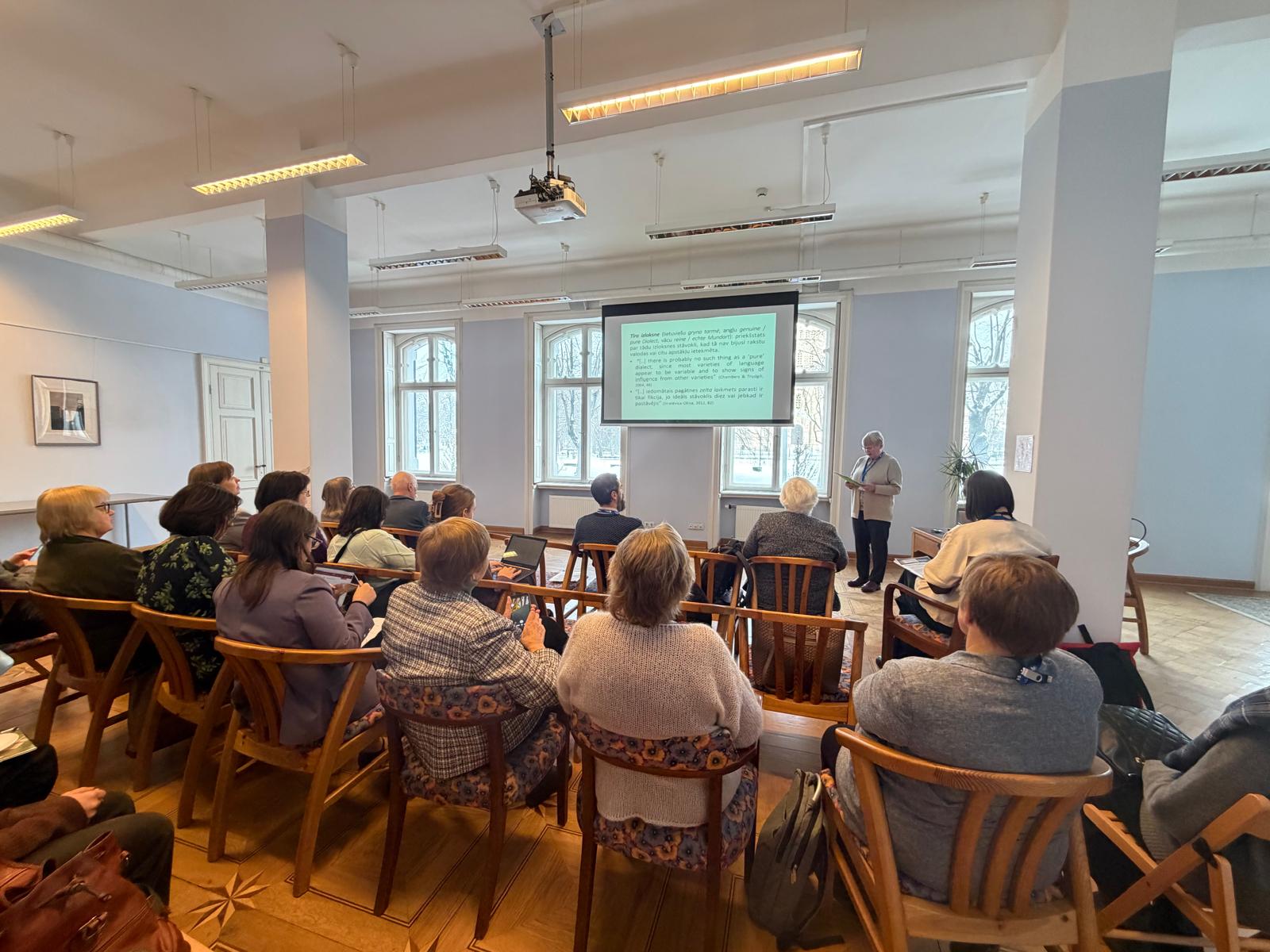
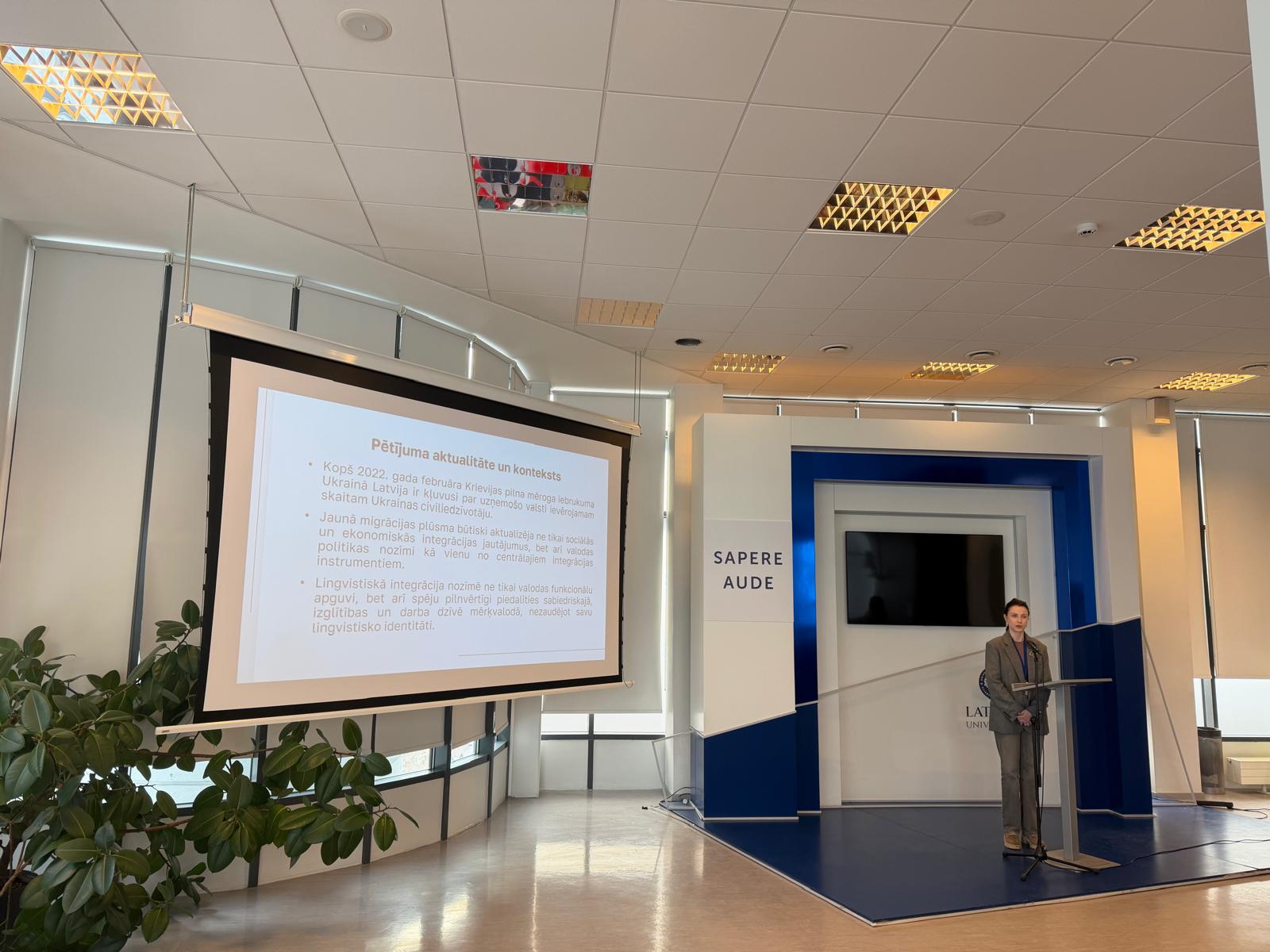
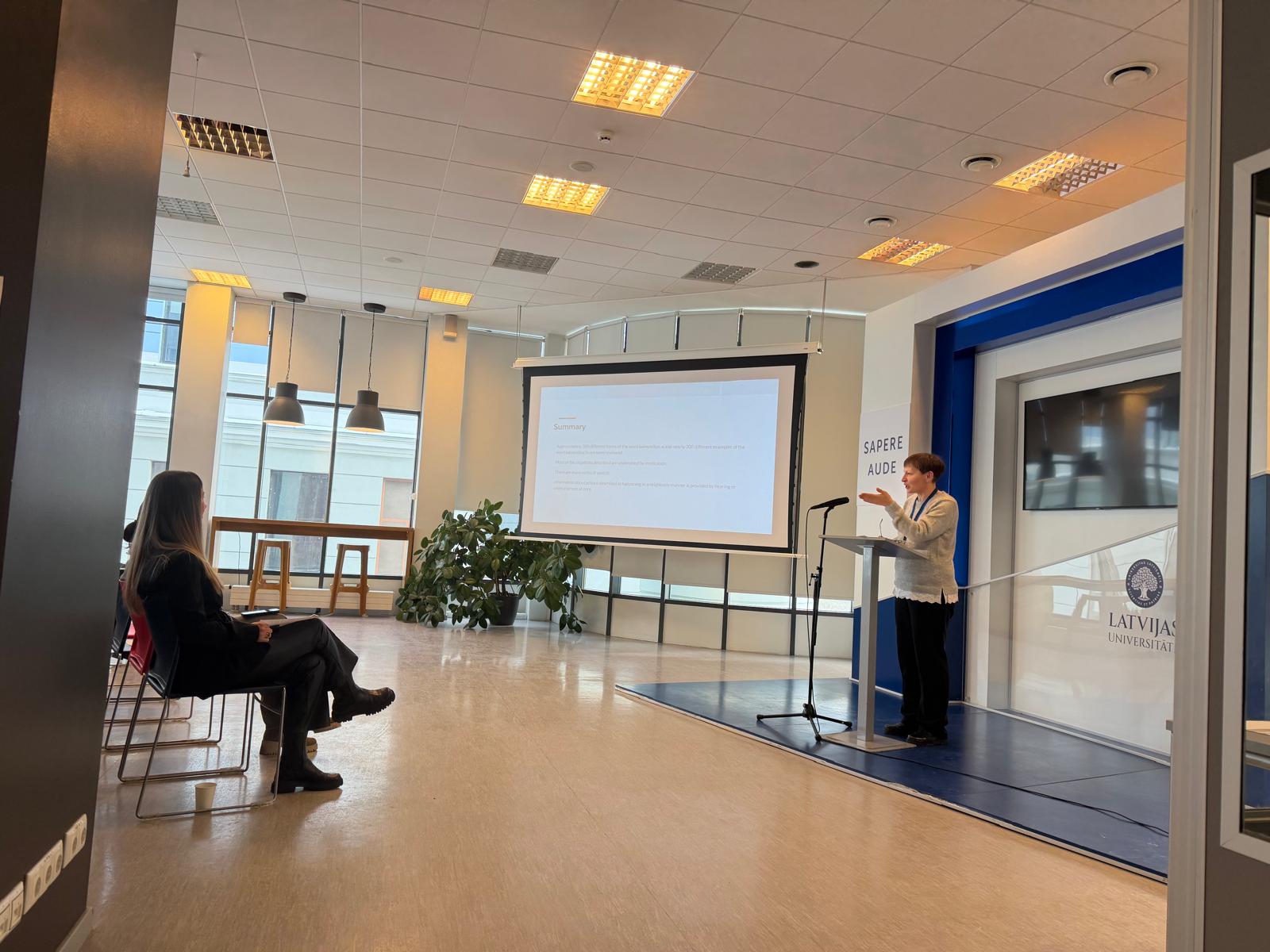
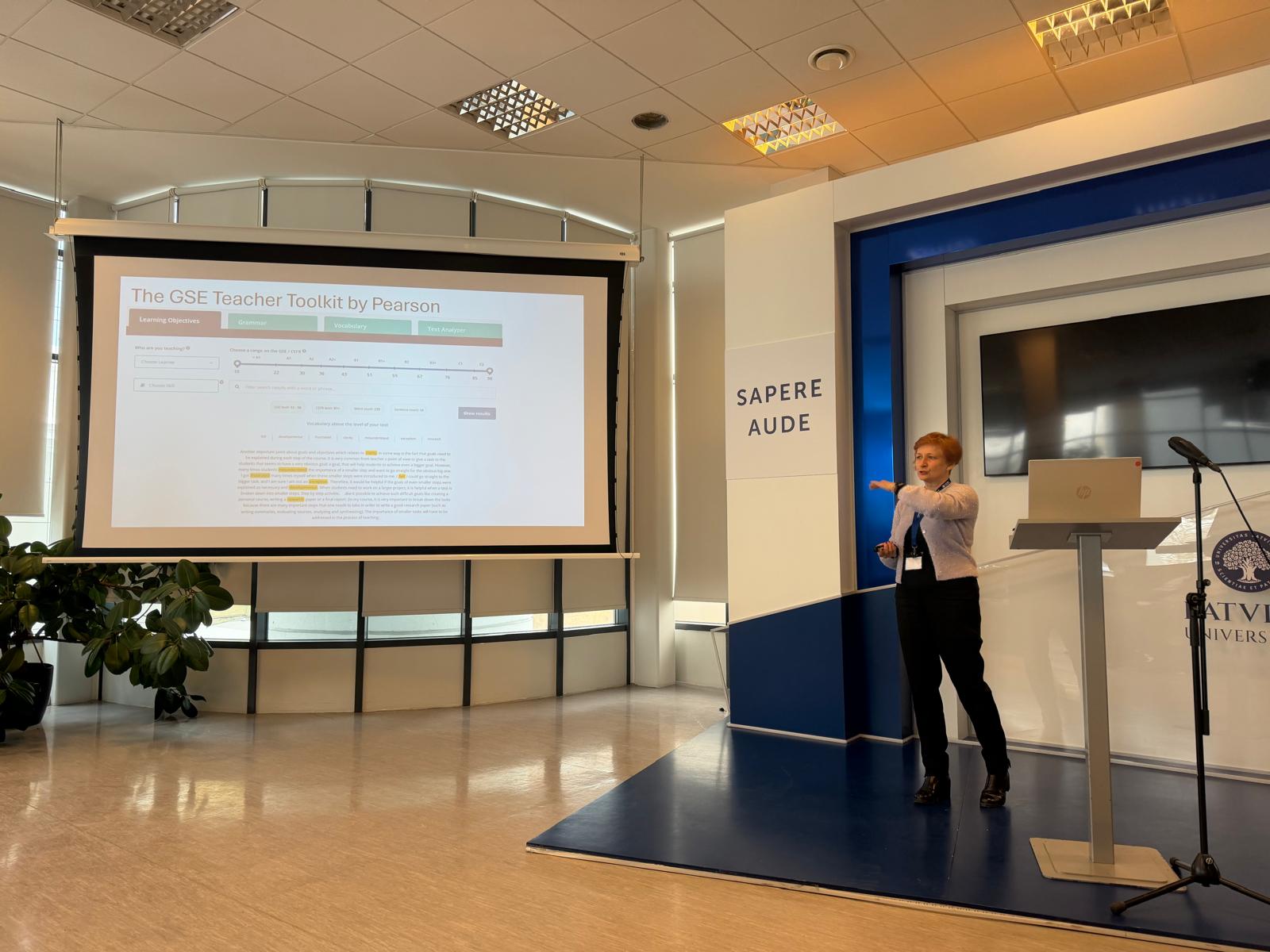
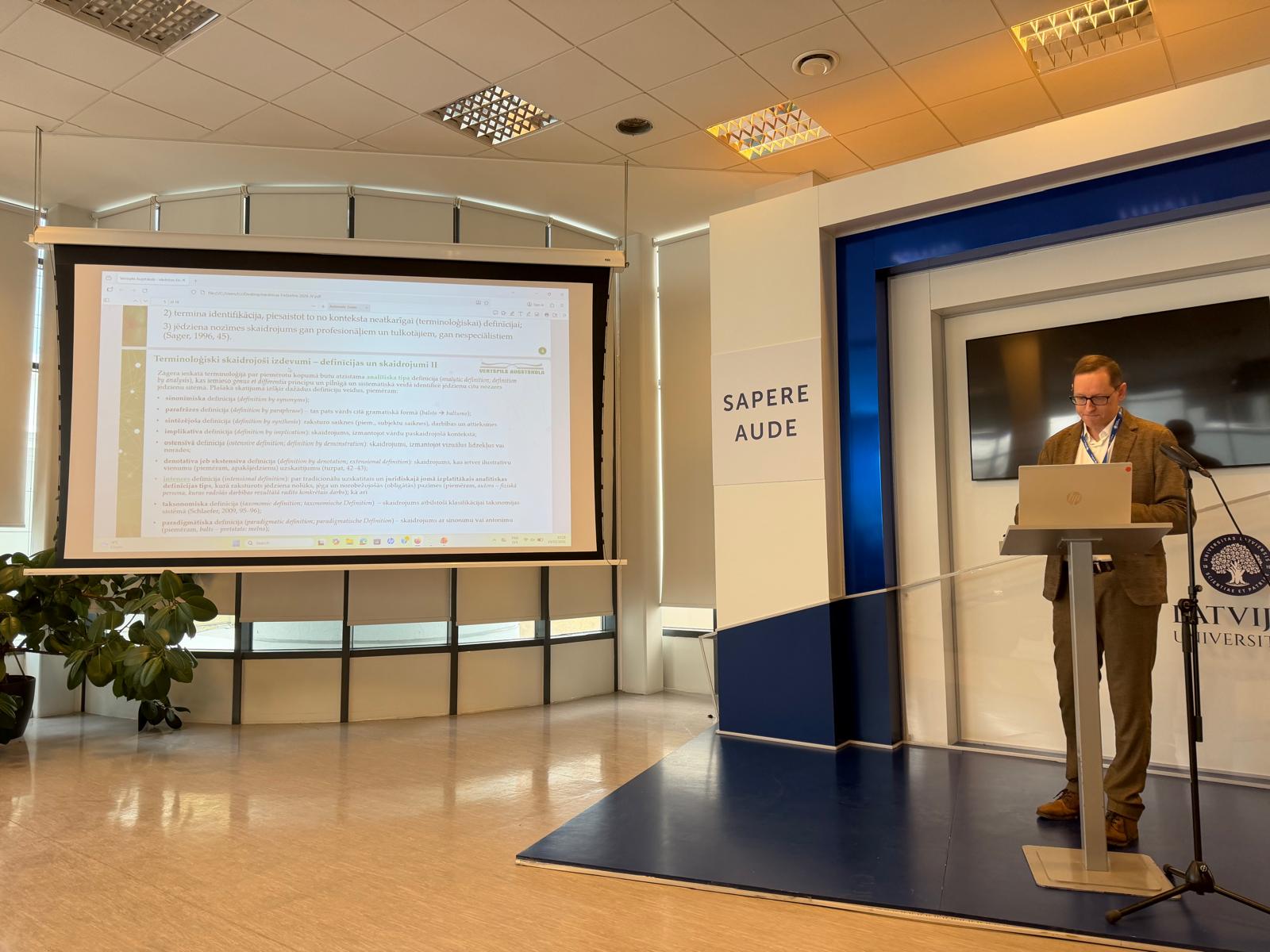
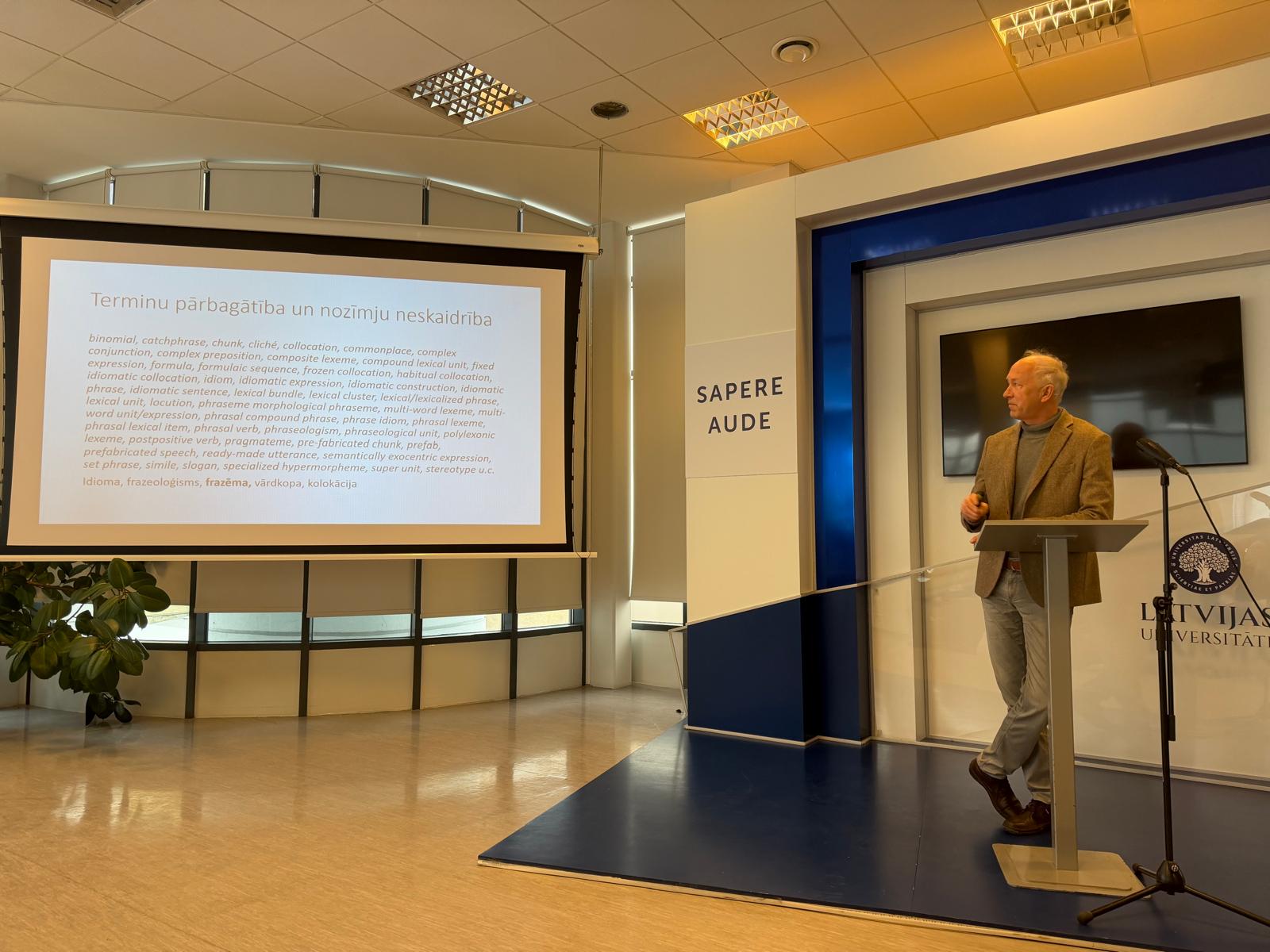
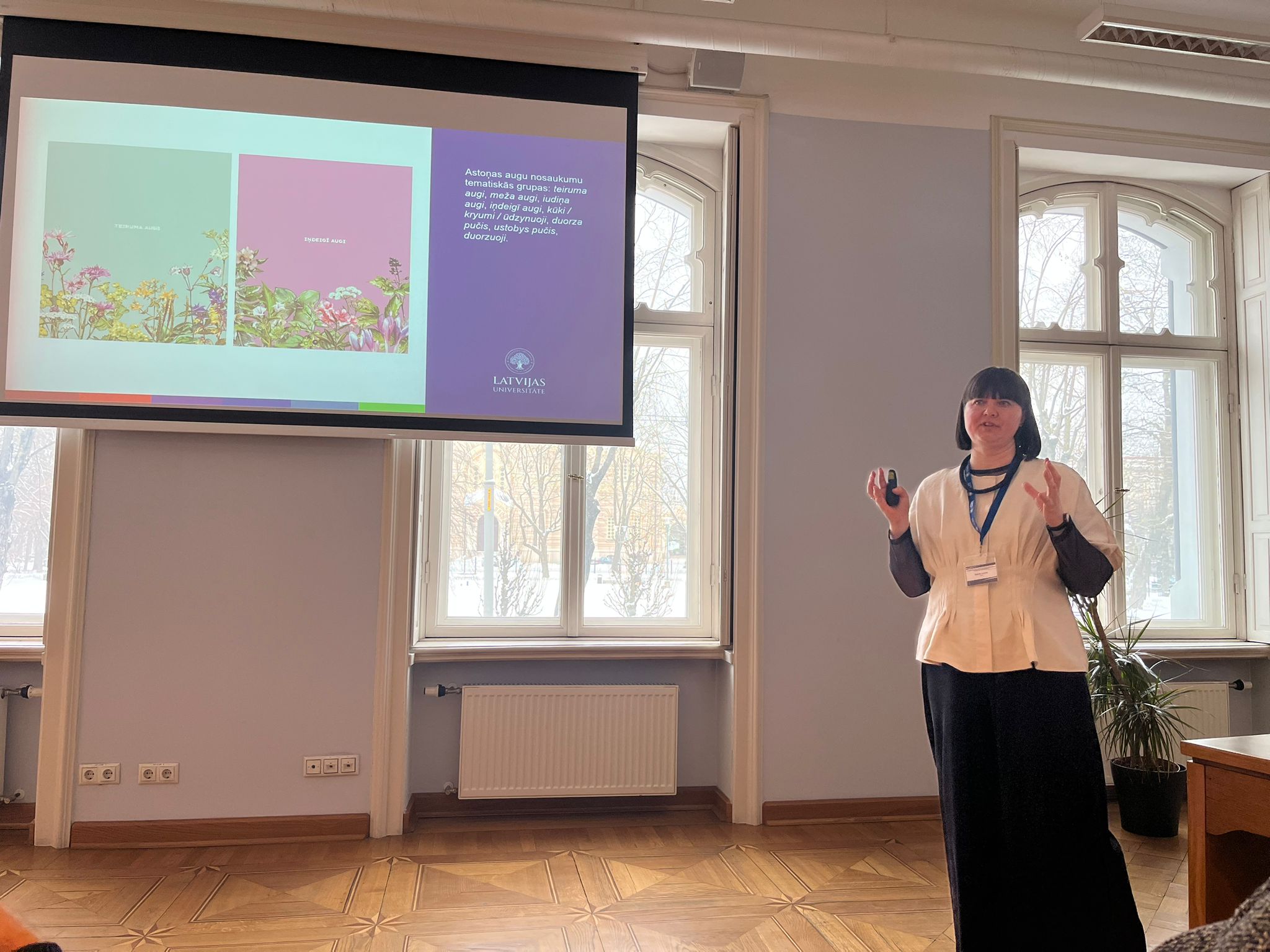
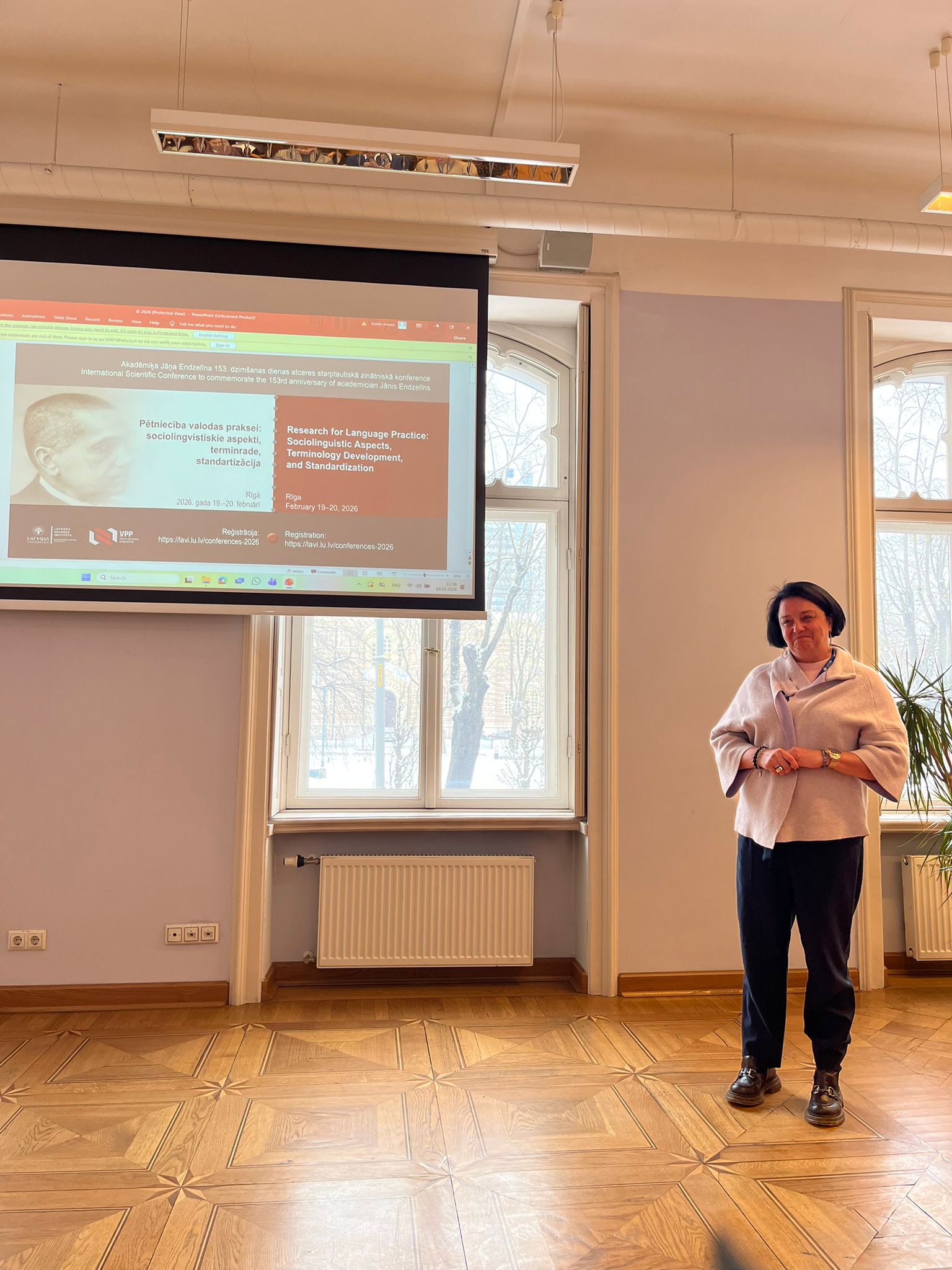
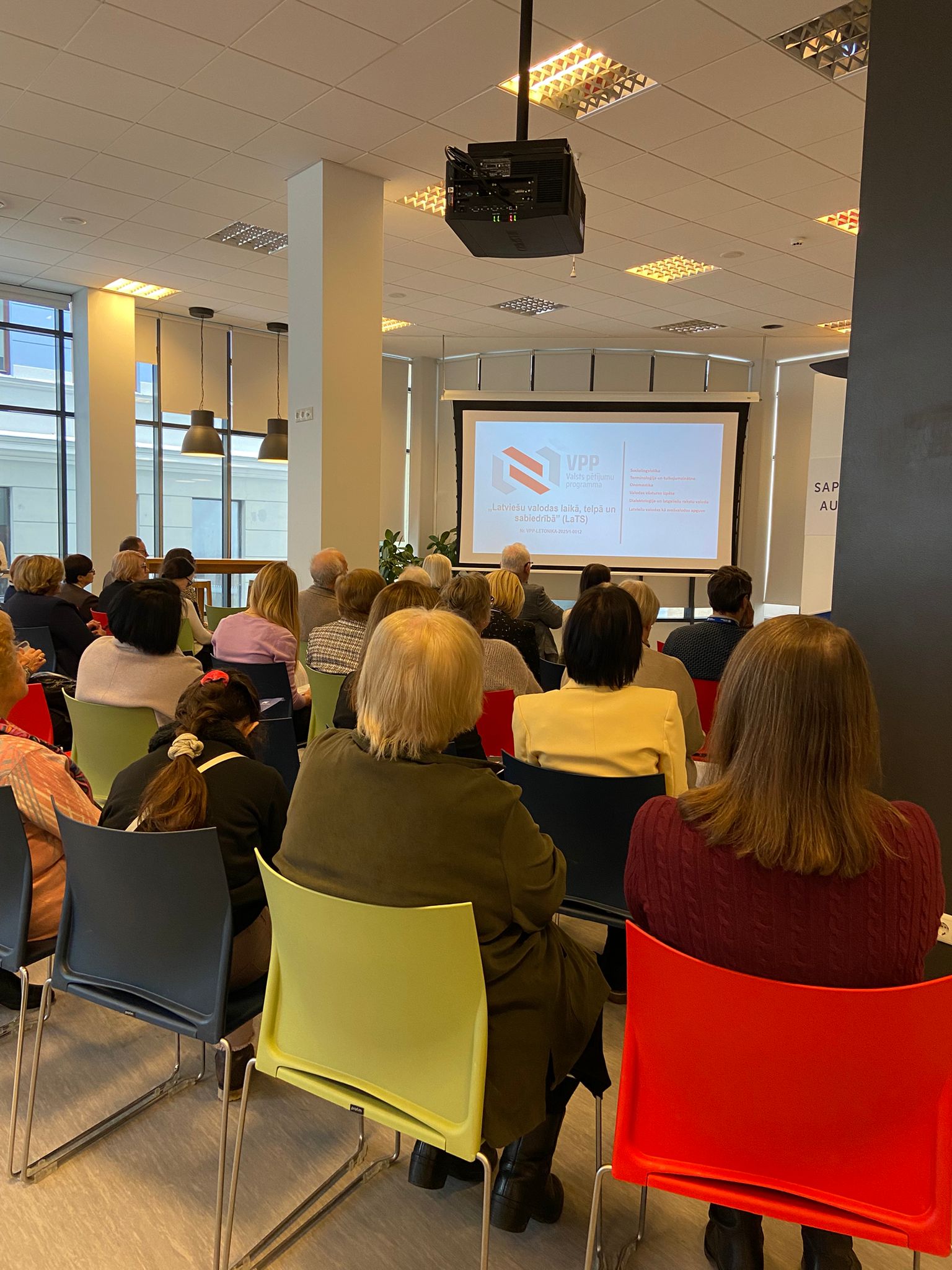
On 19–20 February 2026, the international scientific conference commemorating the 153rd anniversary of academician Jānis Endzelīns, “Research for Language Practice: Sociolinguistic Aspects, Terminology Development, and Standardization”, took place. The conference was devoted to the interaction between language research and language practice – to how contemporary sociolinguistics, the development of terminology, and processes of language standardization shape and influence the use of Latvian in different spheres of society and communication and across various groups, while also examining language in its social and cultural contexts and the processes of language planning, norm setting, terminology development, and language policy, outlining their theoretical foundations and practical impact on the language environment in Latvia and beyond.
The first session focused on the historical and conceptual foundations of terminology. Māris Baltiņš analysed the development of the Terminology Commission of the Latvian Academy of Sciences and its role in language standardization, while Andrejs Veisbergs addressed boundary issues between grammatical constructions and phraseological units. Jānis Veckrācis highlighted lexicographic problems in legal terminology, and Vaida Misevičiūtė analysed the influence of English on contemporary Lithuanian in translation. The session highlighted the systemic nature of terminology, the principles of standardization, and cross-linguistic influence.
The second session emphasized the importance of standardization, internationalization, and conceptual consistency in terminology. Within the framework of social and semantic aspects of terminology development, Vaida Buivydienė and Lina Rutkienė analysed the semantic transformation of the mythonym angel across different domains, demonstrating the interaction between terminology and culture. Rasuolė Vladarskienė examined legal aspects of administrative language regulation, while Aida Čižikaitė discussed the formation of international terminology theory through the cooperation of Eugen Wüster and Ernst Drezen. The status of methodological terminology was discussed by Anna Vulāne and Elita Stikute.
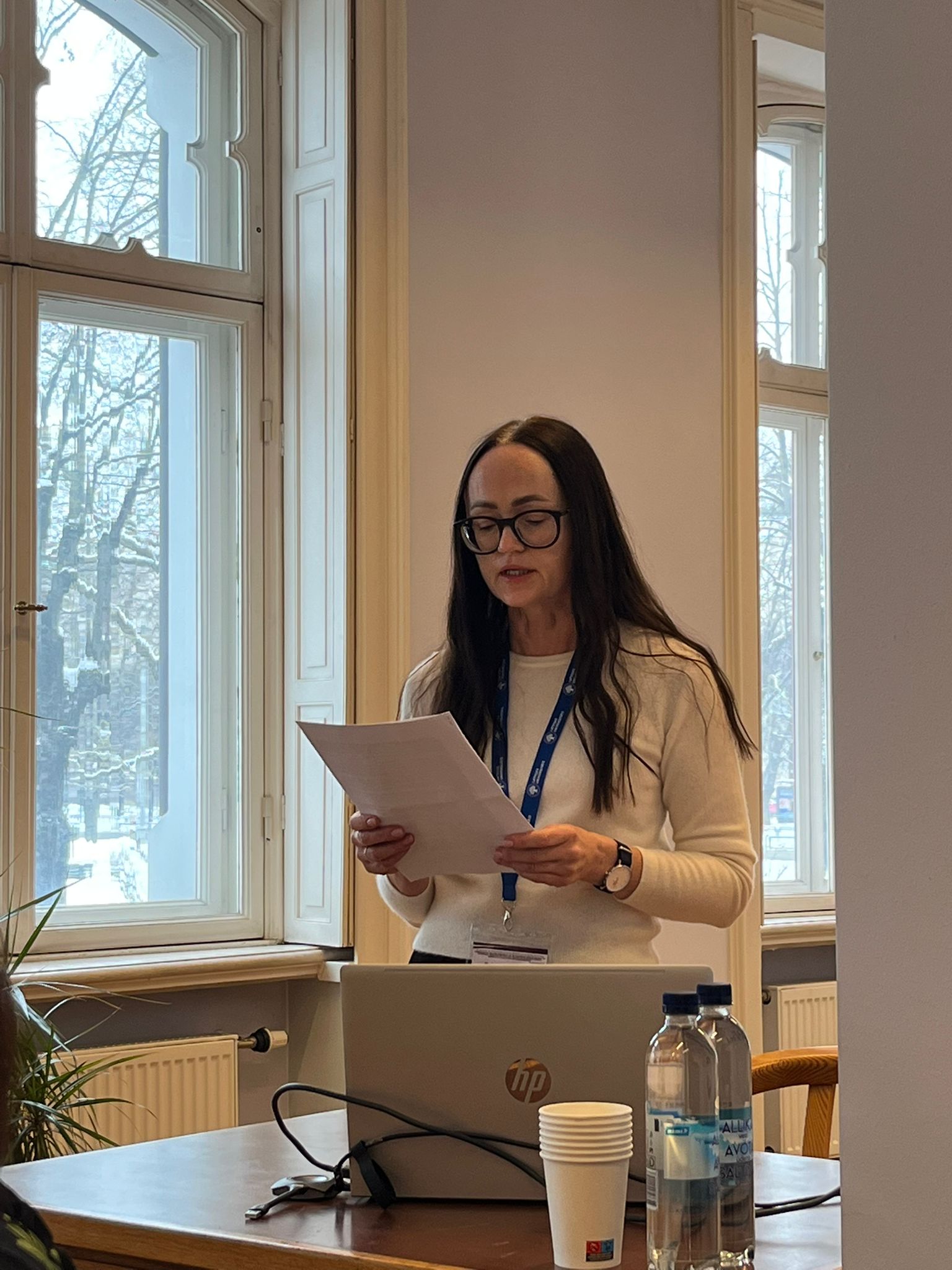
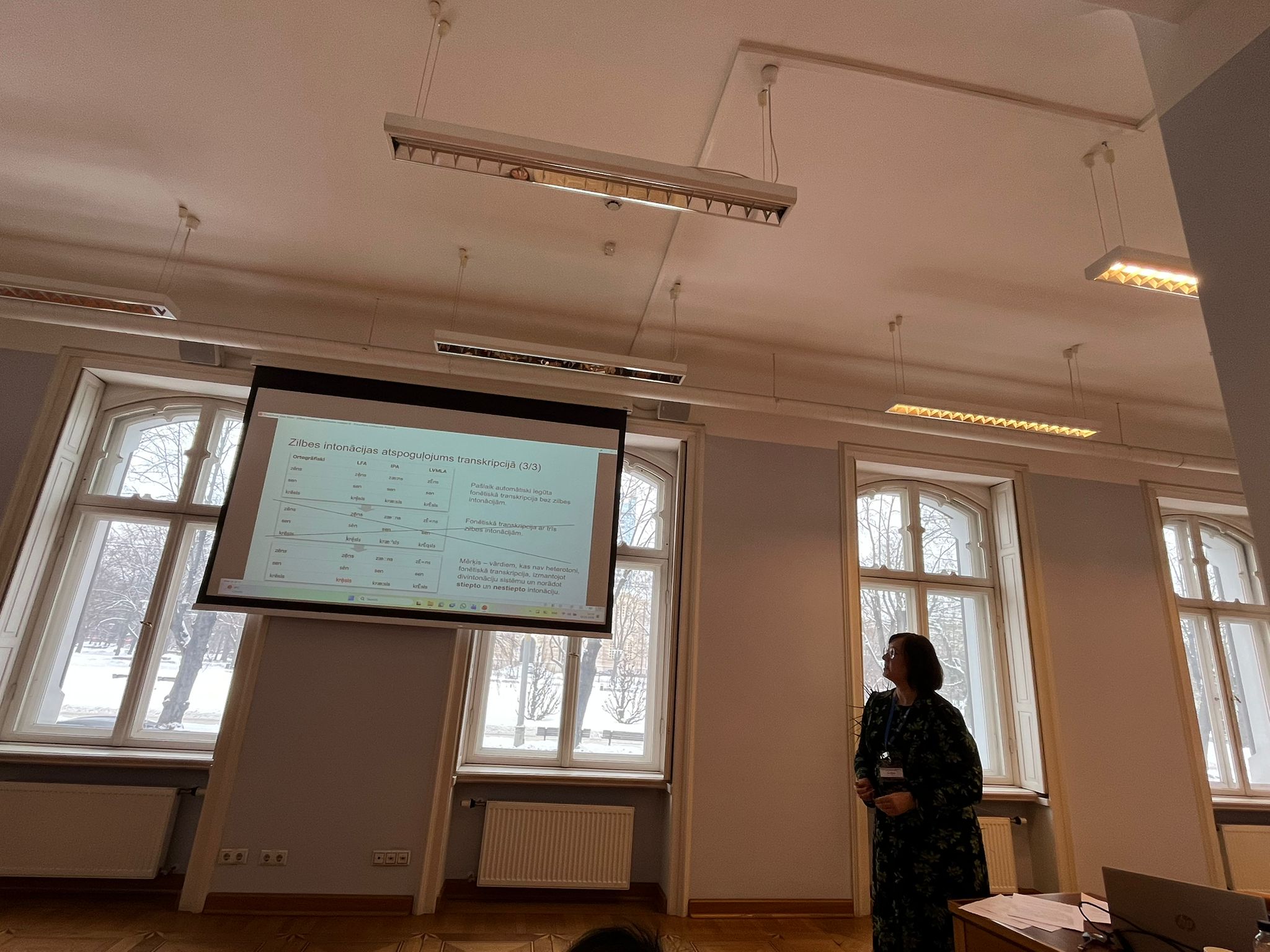
The third session highlighted the dynamics of language norms and their social and historical contexts. Ilze Auziņa, Dace Markus, Guna Rābante-Buša, and Paula Miķelsone analysed possibilities for standardizing syllable intonation in Latvian literary language. Palmira Zemlevičiūtė addressed terminological and lexical issues in medical texts, while Egita Proveja analysed language use in obituaries in the Latvian press of the 19th and early 20th centuries.
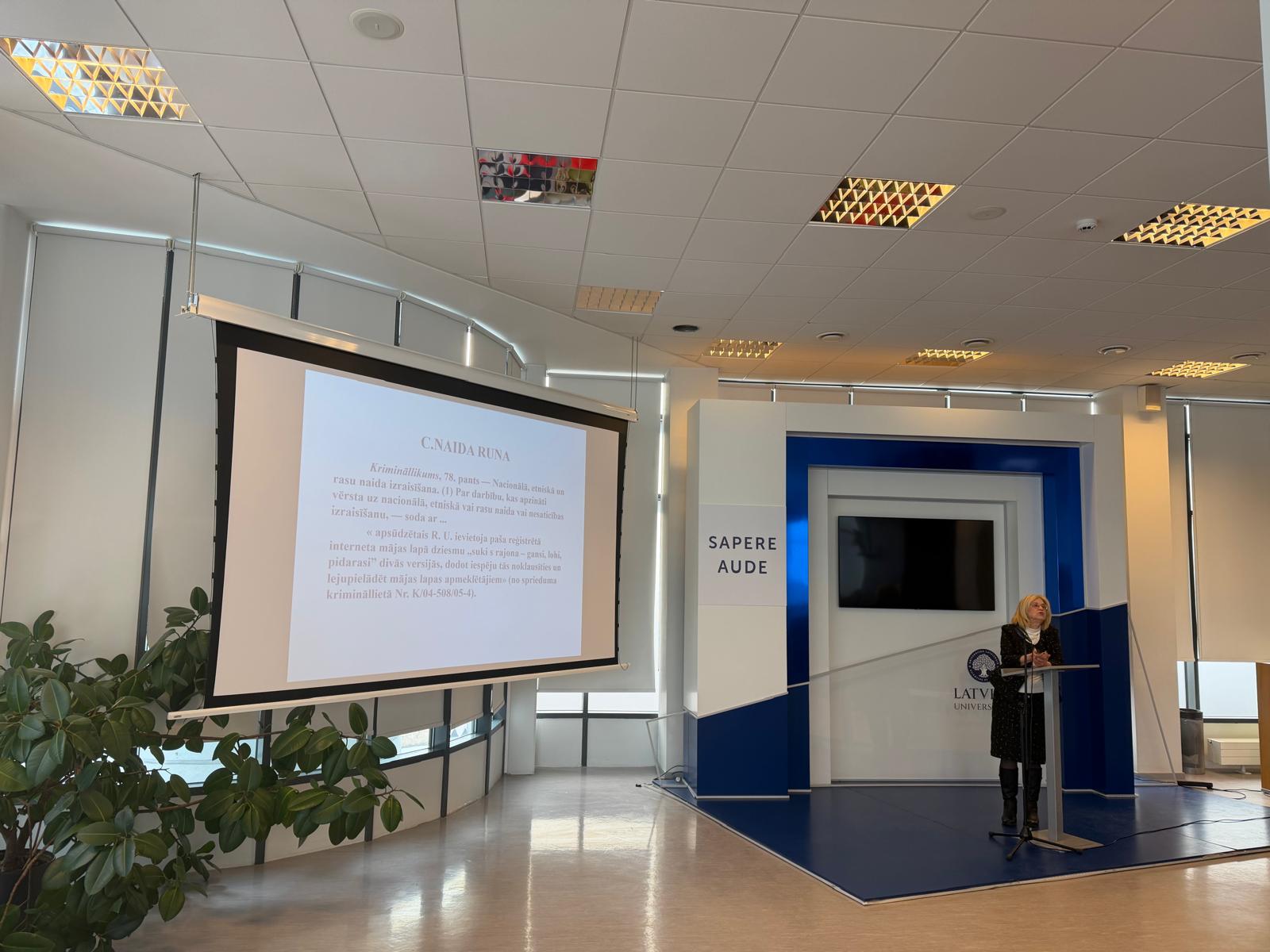
The fourth session emphasized the role of language in social integration, legal practice, and intercultural communication. Silvija Papaurelīte-Klovienė analysed the concept of neighborliness in the Lithuanian worldview, Viktorija Prituļaka discussed the role of language policy in the linguistic integration of Ukrainian refugees in Latvia, Ina Druviete addressed linguistic expert evidence in court practice, Vija Požarnova explored language as a value system, and Olga Freimane examined the use of English as a lingua franca in medical professional communication.
The fifth session was devoted to dialectology and regional language in several directions. Ieva Ozola and Liene Markus-Narvila discussed theoretical aspects of dialect research, Ilze Ziņģe analysed the relationship between contemporary Latgalian literature and standard Latvian through translation, Lidija Leikuma addressed the lexicon of crafts in Southern Latgale, and Edeite Laime together with Lidija Leikuma analysed plant names in Latgalian. The presentations highlighted the diversity of Latvian, regional identity, and the role of dialects in language development.
The sixth session demonstrated the variability of terminology, domain-specific features, and the role of education in consolidating terminology. Anna Šēfere addressed equivalence issues in adventure tourism terminology, Anna Rudzīte analysed the development of music terminology in pedagogical sources, Arturs Stalažs discussed organism name terminology, and Elza Seile together with Anna Vulāne examined the interpretation of students’ language use.
The seventh session highlighted language quality, the dynamics of norms, and the impact of technology on language use. Evelīna Zilgalve analysed aspects of language culture and digital communication through the functions of the particle vien, Regīna Kvašīte examined Lithuanian terminology used in Latvia, Aiga Bādere analysed the classification and impact of machine translation errors, and Baiba Valkovska addressed issues of editorial consensus.
The final session outlined the continuity of language research and the connection between theory and contemporary language practice. Albina Auksoriūtė examined theoretical and historical issues of language and terminology through the linguistic ideas of Romanas Bytautas, Ilze Lokmane, Baiba Valkovska, and Gunta Nešpore-Bērzkallne discussed the marking of expressive vocabulary in the electronic dictionary Tēzaurs, Raivis Bičevskis addressed principles of philosophical terminology development, Dalia Kiseliūnaitė analysed issues of personal name standardization, and Harald Bichlmeier discussed features of early lexicographic standardization in an 18th-century dictionary.
Overall, the conference demonstrated that language research in Latvia and the Baltic region is increasingly closely connected with practical language use, policy, terminology, and the needs of society, while remaining grounded in a strong theoretical and historical tradition.